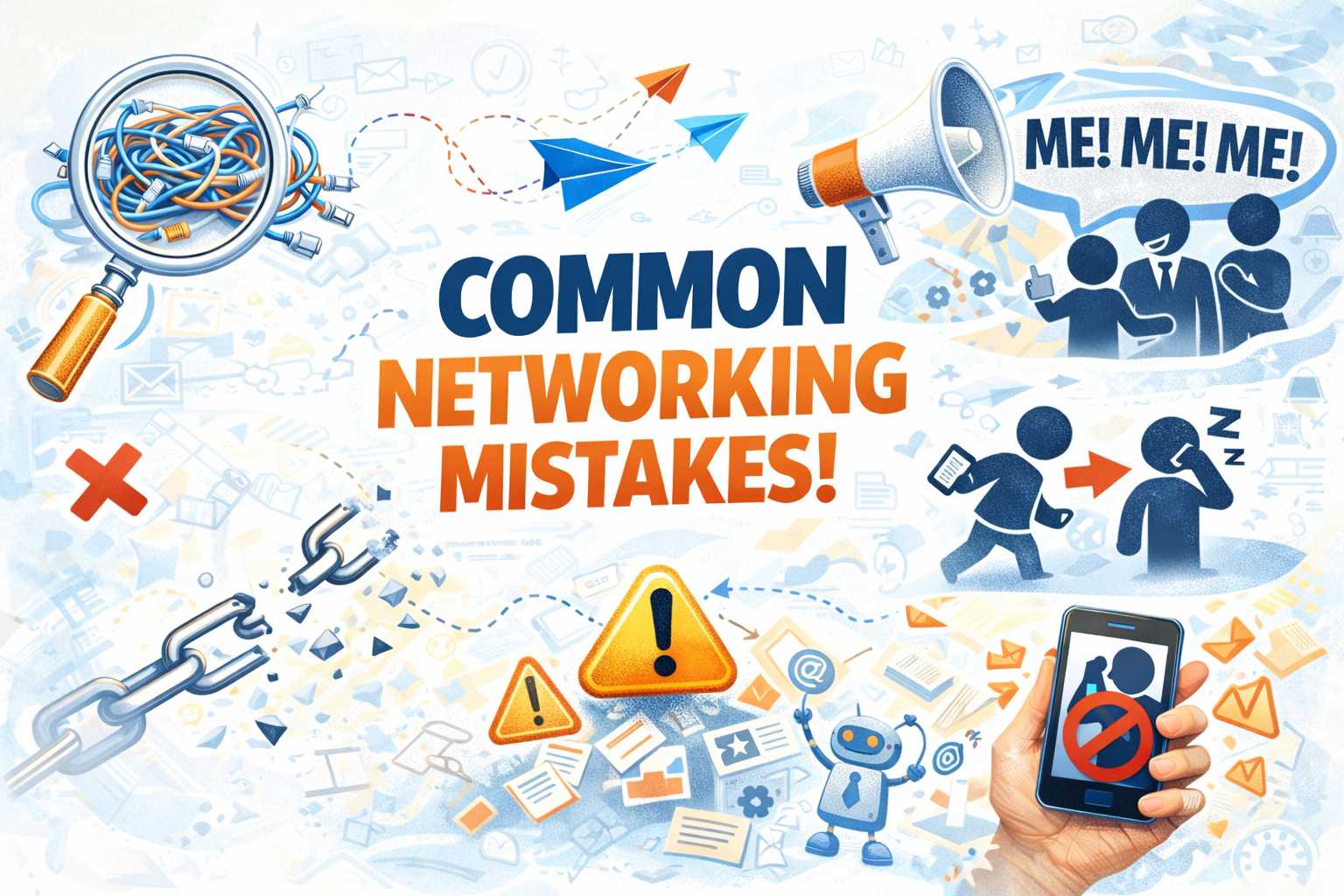
Networking can open doors to valuable opportunities, but common mistakes can limit your success. Focusing only on personal gain, not following up, and ignoring your digital presence on platforms like LinkedIn or VCRDS can weaken connections. Building genuine relationships, staying consistent, and using tools like VCRDS to manage and grow your network can help you achieve better results.
Introduction
Networking is one of the most powerful tools for personal and professional growth. Whether you're an entrepreneur, job seeker, or business owner, building the right connections can open doors to new opportunities. However, many people unknowingly make mistakes that limit their networking success. Understanding these common pitfalls can help you build stronger, more meaningful relationships.
Focusing Only on What You Can Gain
One of the biggest networking mistakes is approaching conversations with a “what’s in it for me?” mindset. Networking is not just about getting leads, jobs, or clients—it’s about building mutually beneficial relationships.
When you focus only on your own needs, people can sense it, and it often pushes them away. Instead, aim to add value. Offer insights, share useful resources, or simply listen actively. When you support others, they’re more likely to remember you and reciprocate the gesture in the future.
Not Having a Clear Introduction
If you can’t clearly explain who you are and what you do, you risk losing attention quickly. A vague or overly complicated introduction can confuse people and reduce your impact.
Your introduction should be simple, clear, and engaging. Focus on what you do, who you help, and how you create value. Think of it as your personal pitch—short but memorable.
Ignoring Digital Networking Tools
In today’s digital world, relying only on traditional methods like paper visiting cards can limit your reach. Physical cards can get lost, damaged, or forgotten.
Modern networking requires smarter tools. Digital solutions like VCRDS allow you to share your contact details instantly using QR codes or links. This makes it easier for people to save your information, access your social media, and stay connected without any friction.
Not Following Up
Meeting someone once is not enough. Many people make the mistake of having a great conversation and then never following up. Without follow-up, connections fade quickly.
A simple message within 24–48 hours can make a big difference. Thank them for their time, mention something specific from your conversation, and express interest in staying in touch. Consistent follow-ups help turn casual contacts into long-term relationships.
Talking Too Much, Listening Too Little
Networking is not a one-way conversation. If you dominate the discussion, you miss the chance to understand the other person’s needs and interests.
Active listening is key. Ask thoughtful questions and genuinely pay attention to the answers. People appreciate being heard, and it helps you identify ways to build a stronger connection.
Being Inconsistent
Networking is not a one-time activity—it’s an ongoing process. Many people only network when they need something, such as a job or business opportunity.
This reactive approach weakens your network. Instead, stay consistent. Attend events regularly, engage on social media, and keep in touch with your contacts even when you don’t need anything immediately. Strong networks are built over time.
Neglecting Your Online Presence
Before people decide to connect with you, they often check your online presence. If your profiles are outdated, incomplete, or unprofessional, it can create a negative impression.
Make sure your LinkedIn profile and other social platforms reflect your current work, achievements, and personality. Tools like VCRDS can help you organize all your digital links in one place, making it easier for others to explore and connect with you.
Trying to Connect with Everyone
Quality matters more than quantity in networking. Trying to connect with everyone can lead to shallow relationships that don’t add much value.
Instead, focus on building meaningful connections with people who align with your goals, interests, or industry. A smaller, engaged network is far more powerful than a large, inactive one.
Not Personalizing Your Approach
Sending generic messages or using the same script for everyone can make you seem uninterested or insincere. People value authenticity.
Take the time to personalize your communication. Mention shared interests, mutual connections, or something specific about their work. This shows effort and makes your interaction more memorable.
Giving Up Too Soon
Networking takes time, patience, and effort. Many individuals lose motivation when they don’t experience quick results. This is a mistake.
Strong relationships are built gradually. Keep showing up, stay consistent, and focus on long-term value rather than quick wins. Over time, your efforts will compound and create meaningful opportunities.
Conclusion
Networking is more than exchanging contacts—it’s about building trust, creating value, and nurturing relationships over time. Steering clear of common pitfalls—such as focusing only on yourself, neglecting follow-ups, or overlooking digital tools—can greatly enhance your networking success. Embracing modern solutions like VCRDS, maintaining a strong online presence, and focusing on genuine connections can help you stand out in today’s competitive environment. When done right, networking becomes not just a strategy, but a powerful asset for long-term success.